


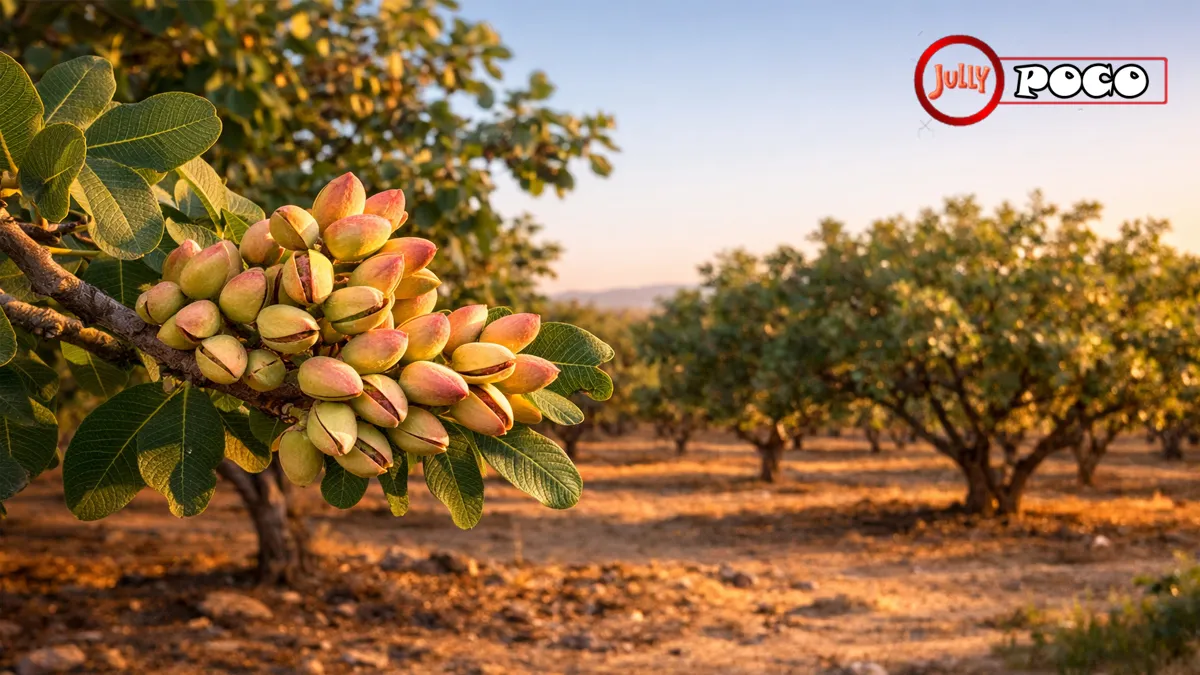
When most people think about pistachios, they picture a snack bowl, a dessert topping, or a bright green filling in pastries. Few stop to think about the pistachio tree itself. Yet this remarkable tree has one of the most unusual stories in agriculture 🌿. It is patient, resilient, and surprisingly demanding at the same time.
A pistachio tree does not reward growers overnight. It asks for years of waiting, careful planning, and the right climate. In return, it can produce valuable crops for more than a century. That balance of challenge and reward is part of what makes it so special. From California orchards to ancient growing regions in Iran and Turkey, pistachios have built a reputation as one of the world’s most fascinating seed crops.
Today, the tree is gaining even more attention. Climate change is forcing farmers and researchers to rethink what crops can survive hotter and drier conditions. In that conversation, pistachios stand out. New breeding programs are helping this crop adapt, while global demand keeps growing.
For readers far from pistachio orchards, perhaps in urban places like gwarinpa abuja, this may seem like a distant farming story. But it is also a story about resilience, food systems, and the future of agriculture. Whether you are a grower, a gardening enthusiast, or simply curious, these seven reasons explain why this tree is truly unique.
1. Pistachios Are Not True Nuts
One of the first surprises about the pistachio tree is simple: pistachios are not technically nuts. They are seeds.
That may sound like a small detail, but it changes how we understand the crop. Many people group pistachios with almonds, walnuts, and cashews. In kitchens and grocery aisles, that makes sense. In botany, the story is different.
A pistachio grows inside a fruit. As it matures, the shell hardens around the seed. When ripe, that shell naturally splits open on the tree. This is one reason pistachios look so distinct compared with many other “nuts.”
Why does this matter?
- It explains the pistachio’s natural shell opening
- It shapes harvest and post-harvest handling
- It affects how growers manage pests and quality
That natural split is one of the crop’s great signatures. It also creates a challenge. If the shell opens too early, pests can reach the seed before harvest. Growers must monitor orchards carefully, especially for threats like navel orangeworm.
In practical terms, the pistachio is both elegant and vulnerable. It gives farmers a visible sign of ripeness, but it also demands timing and attention.
2. The Pistachio Tree Thrives Where Many Crops Struggle
The second reason this tree stands apart is its ability to survive in dry conditions 🌞. The pistachio tree is famous for drought tolerance. It can grow in hot, arid regions where many other crops would fail or produce poorly.
This strength comes from several natural features:
- Deep root systems
- Thick, leathery leaves
- Strong adaptation to dry air and limited rainfall
That does not mean pistachios can grow anywhere. They need a very specific climate pattern. They want long, hot summers and cold winters. They also prefer minimal summer rain. Too much moisture during warm months can create disease pressure and lower nut quality.
This combination is why pistachios perform so well in places such as:
- California’s Central Valley
- Parts of Arizona
- New Mexico
- West Texas
- Nevada
- Iran
- Turkey
- Greece
- Sicily
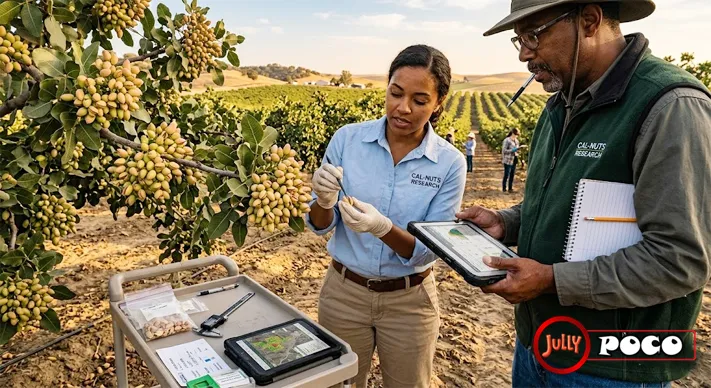
In a warming world, this trait matters more than ever. Crops that can handle heat and water stress are becoming increasingly valuable. Researchers at UC Davis and other institutions are now working on new cultivars that can withstand even hotter, drier conditions.
That work is not just scientific. It is economic and practical. Farmers need crops that can survive tomorrow’s weather, not yesterday’s.
For a reader sitting in gwarinpa estate or checking the gwarinpa postal code for a delivery, this may feel far removed from daily life. Yet every supermarket shelf reflects these shifts. Climate-resilient crops are shaping the future of what people eat.
3. It Is One of the Most Patient Crops in Farming
Some fruit trees produce quickly. Pistachios do not.
A pistachio grower must think in decades, not seasons. That long timeline is one of the tree’s defining traits. During the first years, the tree focuses on building roots, wood, and structure. It is preparing for future productivity.
Here is the typical timeline:
| Growth Stage | Approximate Time | What Happens |
|---|---|---|
| Establishment | Years 1–4 | Root and branch development |
| Early bearing | Years 5–7 | Small first crops appear |
| Full production | Year 15+ | Consistent commercial yields |
| Long-term productivity | 100+ years | Tree can remain productive with good care |
That patience can be difficult for growers. Land, water, labor, and equipment all require investment before major returns begin. Pistachio farming is not for those seeking quick profits.
Still, that waiting period reveals part of the tree’s character. A pistachio orchard is a long-term commitment. It resembles building a house more than planting a seasonal crop. You lay foundations first. Only later do you enjoy the full result.
This is one reason pistachio farming often passes through generations. A grower may plant trees knowing the best years could benefit children or grandchildren. That perspective gives the crop a deep sense of continuity.
4. The Tree Can Live for More Than 100 Years
Longevity is another reason the pistachio tree feels almost legendary 🌳. With proper care, it can live and produce for over a century.
That lifespan is extraordinary in commercial agriculture. Many crops are replanted often. Pistachios, by contrast, are built for endurance. Mature trees can stand through decades of heat, dry seasons, market changes, and management shifts.
This long life offers several benefits:
- It spreads establishment costs over many years
- It provides stable long-term production
- It supports family farming legacies
- It can make orchards more valuable over time
Of course, long life does not mean zero maintenance. Trees need pruning, irrigation management, pest monitoring, and good soil care. Alternate bearing also complicates production. One year may bring a heavy crop, while the next delivers a lighter one.
Even with that cycle, longevity remains one of the crop’s greatest strengths. Few agricultural investments combine patience, durability, and profitability in the same way.
For anyone who likes practical comparisons, think of it this way: annual crops are like renting, while pistachio orchards are closer to building lasting equity.
5. Pistachio Trees Need a Perfect Partnership to Produce Nuts
Another unique feature is pollination. Pistachio trees are dioecious, which means male and female flowers grow on separate trees.
This matters because a female tree cannot produce a crop on its own. It needs pollen from a male tree nearby. And unlike crops that depend heavily on bees, pistachios rely mainly on wind pollination.
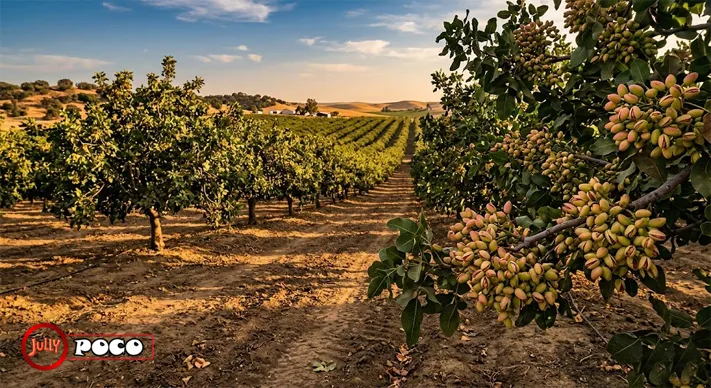
That creates a very specific orchard design. Farmers must place male trees strategically so pollen can travel effectively across rows. If wind patterns are poor or bloom timing does not match, yields can suffer.
This is one reason home growing can be difficult. A gardener may plant one beautiful tree and wait years, only to realize no nuts will come without a pollinating partner.
Key facts about pistachio pollination:
- Male and female trees are separate
- Wind carries pollen, not insects alone
- Bloom timing must align
- Orchard planning directly affects harvest success
This feature gives pistachio farming a blend of science and timing. It is not enough to plant a tree and hope. Growers need design, patience, and climate cooperation.
6. Their Harvest Process Is Unusually Precise
The pistachio tree has a harvest style that is as distinctive as its growth cycle. Nuts mature from late August through October, depending on region and variety. Once ready, the hull changes color and the shell is often split.
Commercial orchards usually use machines to shake the trees. The nuts fall onto catching systems, then move quickly for hulling and drying. Speed matters because fresh hulls can stain shells and encourage spoilage if left too long.
The basic post-harvest process looks like this:
- Shake trees mechanically
- Collect nuts quickly
- Remove outer hulls
- Dry the nuts
- Sort by quality
- Roast or package as needed
This process helps preserve flavor, appearance, and shelf life. It also protects the crop from pests and mold.
Harvest timing is especially important because of early shell splitting. If shells open before the ideal harvest window, pests can invade. This has made pest management a major focus in modern pistachio research.
According to the USDA, efficient post-harvest handling is a critical part of protecting food quality in many specialty crops. Pistachios are a strong example of that principle.
Even outside farming regions, consumers benefit from this precision. The clean, bright shells seen in stores are the result of careful timing, not luck.
7. New Pistachio Varieties Are Being Bred for a Changing Climate
This final reason may be the most important for the future. The pistachio tree is not only unique because of what it has always been. It is also unique because of how it is evolving.
Climate change is reshaping agriculture. Hotter summers, water stress, and shifting winter chill patterns are forcing growers to adapt. Pistachios already handle dry conditions better than many crops, but even they face pressure when temperatures rise too far or winter cold becomes less reliable.
That is why breeding programs matter so much today.
Researchers are working to develop new pistachio cultivars with:
- Better tolerance for extreme heat
- Improved drought resilience
- Stronger pest resistance
- Potentially faster maturity
- More stable yields under stress
The UC Davis research community has contributed to the wider conversation around climate-smart agriculture and crop adaptation. Pistachios are increasingly part of that discussion.
Here is a simple comparison:
| Feature | Traditional Pistachio Trees | New Breeding Cultivars |
|---|---|---|
| Climate needs | Hot summers, cold winters | Better adapted to hotter, drier conditions |
| Productivity timeline | 15+ years to full yield | Faster maturity may be possible |
| Pest resistance | Moderate | Improved resistance under study |
| Lifespan | 100+ years | Similar lifespan with added resilience |
This matters for farmers deciding what to plant today. It also matters for food security and long-term orchard planning. A crop that can stay productive under climate pressure becomes more valuable every year.
That wider relevance can connect even to daily searches that seem unrelated, like hotels in gwarinpa, crush cafe gwarinpa, or the gwarinpa zip code. People live in cities, but agriculture supports every city. Resilient crops keep food systems stable, whether someone is farming in California or ordering pistachio snacks in Abuja.
Practical Lessons for Growers and Enthusiasts
If you are considering growing pistachios, or simply want to understand the crop better, these are the practical takeaways:
- Choose a climate with hot, dry summers
- Make sure winters provide enough chill hours
- Expect a long wait before full production
- Plant both male and female trees
- Prepare for alternate bearing
- Watch new cultivar developments closely
- Prioritize pest monitoring where shell splitting occurs early
Home growing is possible, but it is not simple. A pistachio tree needs the right environment and a patient owner. In the wrong climate, it may survive but never produce well.
For deeper background on crop science and orchard systems, resources from University of California Agriculture and Natural Resources can be helpful.
FAQs About Pistachio Trees
How long does a pistachio tree take to produce nuts?
Most trees begin producing small crops in 5 to 7 years. Full production often starts after 15 years.
Do pistachio trees need both male and female plants?
Yes. Male trees provide pollen, while female trees produce the nuts. Both are needed for a harvest.
Where do pistachio trees grow best?
They grow best in hot, dry climates with cold winters. California is a leading example in the United States.
Are pistachios really nuts?
Botanically, no. Pistachios are seeds found inside a fruit.
How long can a pistachio tree live?
With proper care, a pistachio tree can live and remain productive for more than 100 years.
Why are new pistachio cultivars important?
They may help orchards handle climate change, improve pest resistance, and support future yields.
Conclusion
The pistachio tree is unique for reasons that go far beyond its flavor. It is not a true nut tree in the strict botanical sense. It survives where water is limited. It asks growers for patience, then rewards them with decades of production. It depends on careful pollination, precise harvest timing, and smart orchard management. Most of all, it stands at the center of an important agricultural future 🌍.
As climate pressures increase, the pistachio tree offers a lesson in resilience. It reminds us that some of the most valuable crops are not the fastest. They are the ones built to endure.
If you are exploring pistachio farming, watching agricultural trends, or simply learning about food origins, this tree is worth your attention. Its story is old, but its future is still being written.
References
- USDA – United States Department of Agriculture: https://www.usda.gov/
- UC Davis: https://www.ucdavis.edu/
- University of California Agriculture and Natural Resources: https://ucanr.edu/