


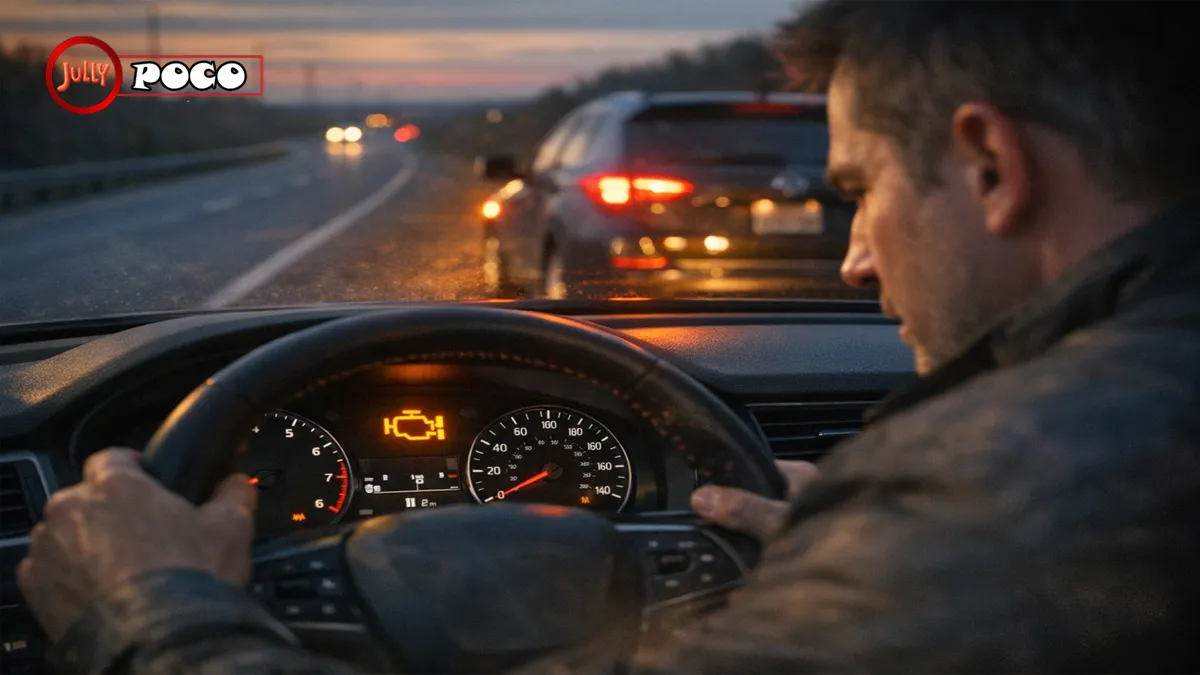
You are driving home, and suddenly the dashboard lights up. The car starts shaking. The engine feels rough. Then you notice it: the check engine light is not just on, it is flashing. If you are wondering What does it mean when engine light is blinking, the short answer is simple and serious: your engine may be misfiring right now, and continuing to drive can cause expensive damage within minutes. 🚨
A blinking engine light is not a reminder to schedule service next week. It is an urgent warning. In most cases, it means raw fuel is entering the exhaust system because one or more cylinders are not firing correctly. That extra fuel can overheat the catalytic converter, damage internal engine parts, and even create a fire risk. A solid check engine light is different. That usually points to a less urgent emissions or sensor issue.
This guide explains what a flashing check engine light means, why it happens, what to do immediately, and when towing is the safest choice.
1. What a blinking engine light really means
When drivers ask, What does it mean when engine light is blinking, mechanics usually think of one issue first: an active engine misfire.
A misfire happens when a cylinder fails to burn the fuel-air mixture correctly. Instead of clean combustion, unburned fuel passes into the exhaust. That is where the danger begins.
Why this matters:
- The catalytic converter can overheat fast
- Exhaust parts can be damaged
- Engine performance drops sharply
- Fuel economy gets worse
- Long-term engine damage becomes more likely
Think of it like a kitchen stove with gas flowing but no proper flame. Fuel is still being delivered, but it is not being used the right way. In a car, that wasted fuel goes where it should not.
A blinking warning light often appears with these symptoms:
- Rough idle
- Sudden shaking
- Loss of power
- Jerking during acceleration
- Strong fuel smell
- Rotten egg odor from the exhaust
If those signs appear together, treat the situation as urgent.
2. Flashing vs. solid check engine light
Many drivers confuse these two warnings. The difference matters.
| Check Engine Light Type | What It Usually Means | Can You Drive? | Risk Level |
|---|---|---|---|
| Solid light | Emissions problem, sensor fault, loose gas cap, minor engine issue | Short distances may be possible | Moderate |
| Flashing light | Active misfire, serious ignition or fuel issue | No, stop as soon as safely possible | High 🚨 |
A solid light says, “Get this checked soon.”
A flashing light says, “Stop before damage gets worse.”
That is why the answer to What does it mean when engine light is blinking is much more urgent than the answer for a steady warning light.
For a broader explanation of dashboard warning behavior, the check engine light guidance from Consumer Reports offers helpful context.
3. The most common causes of a flashing engine light
A flashing check engine light can be triggered by several underlying problems. Some are more common than others.
3.1 Engine misfire
This is the leading cause.
If one cylinder misfires, the engine may still run, but badly. If several misfire, the vehicle may shake hard and lose power quickly.
Common reasons for misfire:
- Worn spark plugs
- Failing ignition coils
- Dirty fuel injectors
- Vacuum leaks
- Low compression
Real-life example: A driver notices the car shuddering during acceleration on the highway. The blinking light starts. One ignition coil has failed, causing one cylinder to stop firing correctly.
3.2 Ignition system failure
Spark plugs and coils are small parts with a big job. They ignite the fuel-air mixture in each cylinder. When they fail, the engine may stumble, hesitate, or run unevenly.
Signs of ignition trouble:
- Hard starts
- Shaking at idle
- Poor acceleration
- Sudden blinking light during load
This issue is common on higher-mileage vehicles that missed tune-up intervals.
3.3 Fuel system malfunction
Too much fuel can be just as harmful as too little. A stuck fuel injector can flood a cylinder and create what technicians call a “rich misfire.”
Possible fuel-related causes:
- Leaking injector
- Failing fuel pressure regulator
- Contaminated fuel
- Weak fuel pump
When fuel delivery becomes unbalanced, combustion suffers. The blinking light may appear during acceleration or under heavy engine load.
3.4 Faulty oxygen sensor
The oxygen sensor helps the engine computer control the fuel-air mixture. If it sends incorrect readings, the engine may run too rich or too lean.
That can lead to:
- Poor performance
- Increased emissions
- Misfires in some situations
This is not always the primary cause, but it can contribute to one.
3.5 Catalytic converter problems
A converter can trigger a warning light if it is overheating or failing internally. Sometimes the converter is the victim, not the cause. Raw fuel from a misfire enters the exhaust and superheats the converter.
That heat can exceed 1,200°F. At that point, damage can happen fast. 🔥
3.6 Loose gas cap
A loose gas cap usually causes a solid check engine light, not a flashing one. Still, it is worth checking because it is simple and free.
Tighten it until it clicks. Then have the vehicle scanned if the light continues.
4. What to do immediately if the engine light is blinking
If you are still asking, What does it mean when engine light is blinking, this section matters most. Your next few minutes can prevent a very costly repair.
4.1 Reduce power
Ease off the accelerator right away. Avoid hard acceleration or steep climbs.
Less engine load may reduce the severity of the misfire for a moment. It does not solve the problem, but it can help you get to a safer stopping point.
4.2 Pull over safely
Move to the shoulder, a parking lot, or another safe area. Turn on your hazard lights if needed.
Once stopped, shut the engine off.
4.3 Check the gas cap
If it is loose, tighten it. This is not the most likely reason, but it takes only a few seconds.
4.4 Look and listen for clues
Pay attention to:
- Strong shaking
- Rotten egg smell
- Ticking noises
- Smoke
- Loss of coolant
- Fuel odor
A rotten egg smell can point to catalytic converter distress. Loud ticking may suggest a deeper engine issue.
4.5 Call for towing
This is often the smartest move. Driving a few more miles can turn a manageable repair into a major one.
The engine misfire explanation from Firestone also notes how serious misfires can become if ignored.
5. Why ignoring a blinking engine light is risky
Drivers sometimes hope the light will stop flashing on its own. Sometimes it does. That does not mean the danger is gone.
5.1 Catalytic converter overheating
The converter is designed to handle exhaust gases, not repeated blasts of raw fuel. If fuel burns inside the converter, internal temperatures can spike fast.
Possible result:
- Melted converter core
- Blocked exhaust flow
- Fire hazard
- Repair bills that can exceed $4,000
5.2 Permanent engine damage
A severe or repeated misfire can harm:
- Pistons
- Valves
- Cylinder walls
- Exhaust components
If the root cause is mechanical, such as low compression, continuing to drive may make it much worse.
5.3 Fuel economy loss
A misfiring engine wastes fuel every second it runs badly. You will notice reduced mileage, weak acceleration, and rough performance.
5.4 Failed emissions testing
A vehicle with a blinking or recently active engine warning often fails emissions inspection. Even if it still drives, it may not pass a required e-check.
6. Can you reset the light yourself?
Yes, but only after the problem is repaired.
Resetting the warning without fixing the cause is like covering a smoke alarm while the kitchen is still filling with smoke. The sound stops, but the danger remains.
6.1 OBD-II scanner method
This is the best option.
Steps:
- Plug the scanner into the OBD-II port
- Read the stored trouble codes
- Repair the actual problem
- Clear the codes
- Test-drive the vehicle carefully
This method also helps confirm whether the fault returns.
6.2 Battery disconnection method
Some drivers disconnect the negative battery cable for 30 seconds or more.
This may clear:
- Stored codes
- Dashboard warnings
- Some adaptive memory
But use caution:
- It does not fix the issue
- It may reset radio and clock settings
- Some vehicles need relearn procedures afterward
If the light returns, the fault is still present.
7. How a mechanic will diagnose the issue
A professional inspection is the safest next step. A good technician does more than read a code.
Typical diagnostic steps include:
- Scanning trouble codes
- Reviewing freeze-frame data
- Inspecting spark plugs and coils
- Testing fuel pressure
- Checking injector operation
- Looking for vacuum leaks
- Measuring engine compression
This matters because one code can have several causes. For example, a misfire code may point to an ignition problem, a fuel issue, or an internal engine fault.
That is why accurate diagnosis saves money. Replacing random parts often does not.
8. How to reduce the chance of this happening again
No car is immune, but routine maintenance lowers the risk.
Helpful habits:
- Replace spark plugs on schedule
- Address rough idle early
- Use quality fuel
- Fix small warning signs quickly
- Do not ignore solid engine lights
- Keep up with oil changes and tune-ups
Short example: A driver ignores occasional hesitation for two months. Later, the engine light starts flashing during acceleration. A simple coil replacement could have prevented converter damage.
9. Quick facts every driver should remember
When people search What does it mean when engine light is blinking, they often want one clear takeaway. Here it is:
- Blinking light = emergency
- Solid light = warning
- Misfire is the most common cause
- Raw fuel can destroy the catalytic converter
- Stop driving as soon as safely possible
- Towing is often the safest choice ✅
FAQs
1. What does it mean when engine light is blinking and car is shaking?
It usually means the engine is misfiring badly. Stop driving and have the car inspected immediately.
2. Can I drive with a flashing check engine light for a few miles?
It is not recommended. Even a short drive can damage the catalytic converter or engine.
3. Will a loose gas cap cause a blinking check engine light?
Usually no. A loose gas cap more often causes a solid warning light, not a flashing one.
4. Can low oil cause a flashing engine light?
Low oil can contribute to engine problems, but a flashing light usually points to a misfire or fuel-related issue. Check oil level, but do not assume that is the only cause.
5. How much can repairs cost if I ignore it?
Costs vary, but converter and engine repairs can easily run into the thousands. In severe cases, repairs may exceed $4,000.
6. Should I reset the check engine light myself?
Only after the issue is repaired. Resetting the light without fixing the cause can hide a serious problem.
Conclusion
So, What does it mean when engine light is blinking? It means your vehicle is warning you about an urgent problem, most often an active engine misfire. Unlike a solid warning light, this is not something to monitor for a few days. It is a signal to reduce power, pull over safely, shut the engine off, and arrange professional help. 🚗
The biggest risk is not just poor performance. It is severe damage to the catalytic converter, the exhaust system, and possibly the engine itself. If your car starts shaking and the light begins flashing, trust the warning. Acting quickly can protect your vehicle, your wallet, and your safety.