


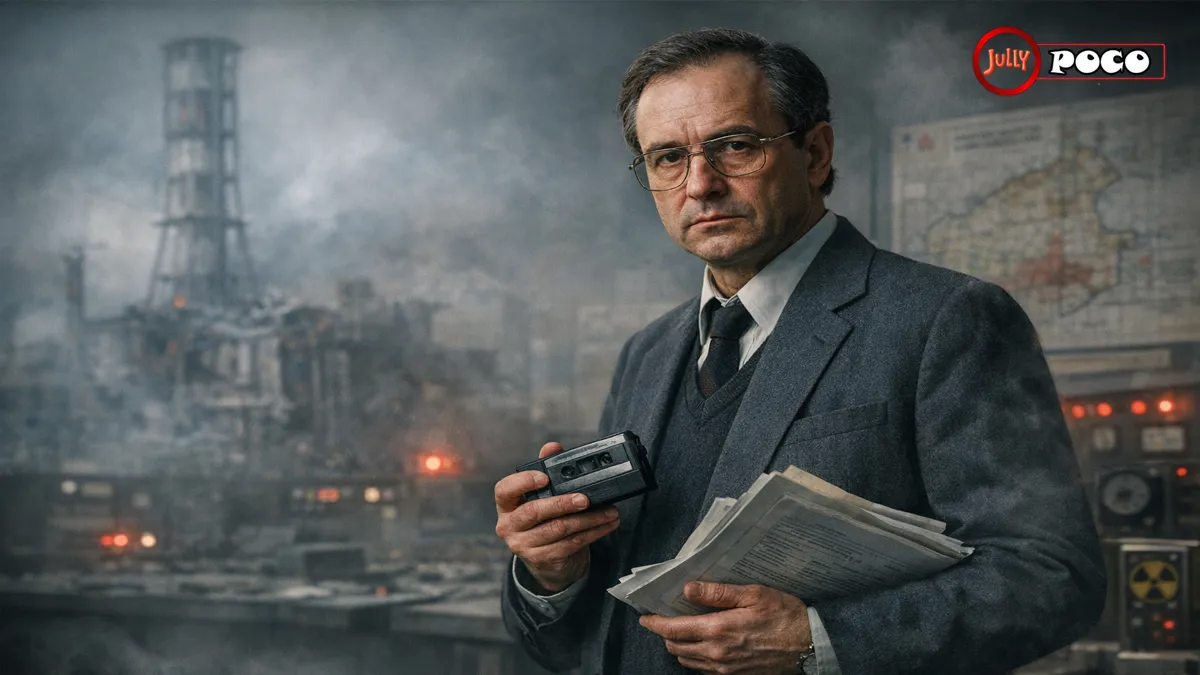
When people hear the name valery legasov, they often think of a tragic scientist from a disaster drama. But the real man was far more complex. He was not just a witness to Chernobyl. He became one of the few Soviet officials willing to speak honestly about what went wrong, why it happened, and how many lives were put at risk by secrecy.
His story still feels urgent today. It is about science under pressure, truth inside a closed system, and the personal cost of integrity. For many readers, valery legasov chernobyl is not simply a historical topic. It is a warning about what happens when institutions silence experts.
In this article, you will learn seven shocking truths about Legasov’s life, his role after the explosion, the secret recordings he left behind, and why his legacy still shapes nuclear safety debates around the world.
Why Valery Legasov Still Matters
Legasov’s importance goes beyond one disaster. He stood at the intersection of science, politics, and public safety.
Here is why his story still resonates:
- He helped prevent an even worse catastrophe.
- He exposed flaws in the Soviet nuclear system.
- He paid a heavy personal price for telling the truth.
- His tapes became a rare record of internal failure.
- His life inspired major documentaries and TV portrayals.
For anyone studying nuclear history, crisis leadership, or Soviet politics, chernobyl valery legasov remains one of the most compelling figures of the 20th century.
1. He Was Not a Reactor Specialist, Yet He Became Central to the Crisis
One of the most surprising truths is that Legasov was not the obvious choice for Chernobyl.
He was born on September 1, 1936, in Tula, Soviet Union. He later studied at the Moscow Institute of Chemical Technology and built a strong academic career. His work focused on inorganic chemistry, noble gas compounds, and hydrogen energy. By 1986, he was the First Deputy Director of the Kurchatov Institute of Atomic Energy.
That was a powerful scientific position. Still, he was not a reactor designer.
So why did he become so important?
Part of the answer is timing. When the Chernobyl reactor exploded on April 26, 1986, many top nuclear specialists were unavailable. Legasov was sent as part of the government commission because he was respected, organized, and trusted to act under pressure.
That decision changed his life.
He arrived within hours of the explosion and quickly grasped that the situation was far more dangerous than many officials admitted. In a system built on rigid hierarchy, he did something rare. He pushed for action based on evidence, not appearance.
His scientific background gave him a broad systems view. He may not have been a reactor engineer, but he understood risk, chemistry, and consequence. In moments of chaos, that mattered.
2. He Pushed for the Evacuation of Pripyat When Delay Could Have Been Deadly
The evacuation of Pripyat is now seen as one of the most urgent decisions after the explosion. At the time, it was not automatic.
Pripyat was a city of nearly 50,000 people, many of them plant workers and families. In the first hours after the explosion, confusion ruled. Officials hesitated. Radiation data was incomplete. Public messaging was cautious and slow.
Legasov was among those who urged immediate evacuation.
This was not a minor bureaucratic choice. It was a life-and-death call. Every hour of delay increased exposure, especially for children outdoors and families near contaminated areas.
His insistence reflected a pattern seen throughout the crisis:
- He favored fast protective action.
- He challenged comforting false assumptions.
- He accepted political risk to reduce human harm.
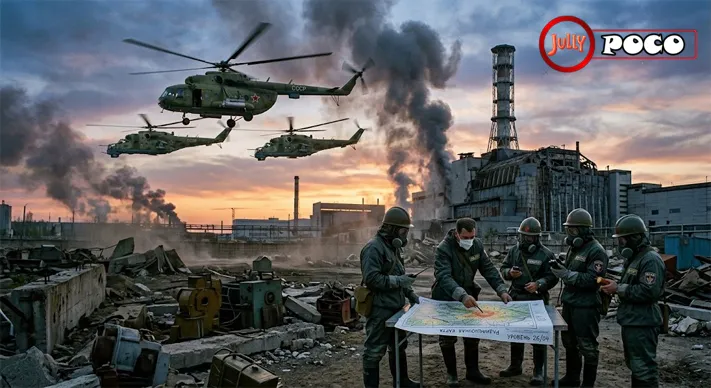
He also helped oversee emergency strategies that sound almost unreal today. Helicopters dropped sand, boron, lead, and clay into the destroyed reactor. Teams attempted nitrogen cooling to prevent further escalation. Workers operated under extreme danger and poor conditions.
Legasov stayed on site for months, far beyond what would be considered safe. He absorbed significant radiation while coordinating response efforts.
That choice was heroic, but it was also deeply costly.
3. His Vienna Testimony Told the World More Than Soviet Leaders Wanted
In August 1986, Legasov led the Soviet presentation to the International Atomic Energy Agency in Vienna. This became one of the defining moments of his life.
For five hours, he delivered a detailed report on the disaster. His testimony was technical, calm, and unusually candid for a senior Soviet figure. He did not simply blame operators. He acknowledged deeper design problems in the RBMK reactor and failures in safety culture.
Among the issues he addressed were:
- The positive void coefficient
- Weak safety systems
- Inadequate operator training
- Lack of proper containment structures
- Institutional negligence
This mattered for two reasons.
First, it reassured much of the international scientific community that at least some truth was emerging. Second, it embarrassed parts of the Soviet establishment. His honesty helped the country abroad, but hurt powerful interests at home.
That tension would define his final years.
If you want to understand the global response, the International Atomic Energy Agency remains an essential source for Chernobyl records and nuclear safety context.
Legasov’s Vienna appearance showed what science communication can look like under pressure. He explained hard truths in a way the world could understand. He did not erase uncertainty, but he reduced denial.
In modern terms, he acted like a crisis communicator before that phrase became common.
4. The Secret Tapes Exposed More Than a Personal Struggle
One of the most searched questions online is valery legasov tapes how were they found. The answer is both simple and haunting.
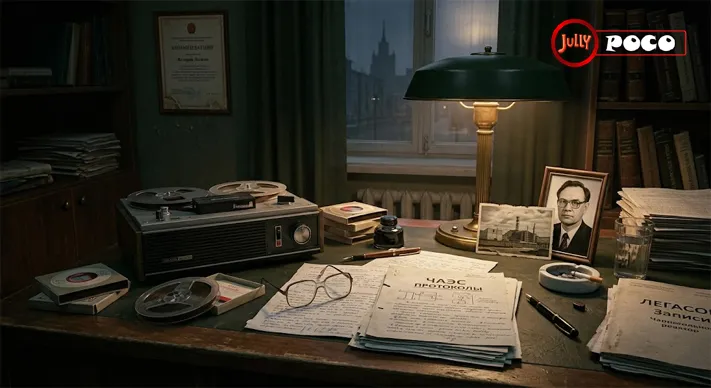
Before his death, Legasov recorded audio reflections at home. These tapes were part memoir, part testimony, and part warning. He spoke openly about Chernobyl, Soviet secrecy, and the illusion of “safe” nuclear power under a system that suppressed honest reporting.
These were not casual recordings. They were deliberate. He knew the official record was incomplete.
After his death in April 1988, the tapes became public and parts were later published in Pravda. Their release gave the Soviet public something rare: a candid insider account from a scientist who had seen the system fail from within.
The tapes revealed several painful truths:
- Safety problems existed before Chernobyl.
- Warnings were often ignored or softened.
- Bureaucracy could be more dangerous than technical error.
- Public silence was treated as stability.
- Scientific truth had political consequences.
That is why the tapes still matter. They were not just about one reactor. They documented a culture of denial.
For readers seeking historical context, the World Nuclear Association provides useful background on Chernobyl and reactor design issues.
What made the tapes so powerful?
Legasov spoke with urgency, but also clarity. He did not sound like a man chasing fame. He sounded like someone trying to leave behind evidence before it disappeared.
That is why these recordings continue to fascinate historians, engineers, and viewers of modern dramatizations.
5. He Was Marginalized After Telling the Truth
Many heroes are celebrated right away. Legasov was not.
Despite his international role and sacrifice, he faced growing professional isolation after Chernobyl. Within Soviet institutions, his candor created enemies. He reportedly expected recognition for his service, but instead met resistance and exclusion.
This is one of the darkest truths in his story.
The more openly he discussed systemic flaws, the more uncomfortable he became for the bureaucracy. In rigid systems, truth can be treated like disloyalty. Legasov learned that painfully.
He experienced:
- Professional sidelining
- Reduced influence inside the scientific establishment
- Frustration over stalled reforms
- Emotional strain linked to illness and public pressure
His health also declined. Radiation exposure likely worsened the burden he already carried. But the psychological cost may have been just as severe. He had seen immense suffering, spoken hard truths, and watched institutions resist meaningful change.
That combination can break even the strongest people.
A quick look at Legasov’s life and legacy
| Category | Details |
|---|---|
| Full name | Valery Alekseyevich Legasov |
| Born | September 1, 1936, Tula, Soviet Union |
| Profession | Soviet inorganic chemist |
| Chernobyl role | Member of government commission, key crisis leader |
| Major public act | Vienna report to the IAEA, August 1986 |
| Secret tapes | Audio memoirs exposing failures and secrecy |
| Died | April 27, 1988 |
| Posthumous honor | Hero of the Russian Federation, 1996 |
This table shows the contrast at the center of his life. He was essential in crisis, yet deeply unsupported afterward.
6. His Death Became a Symbol of the Human Cost of Silence
Legasov died by suicide on April 27, 1988, one day after the second anniversary of the Chernobyl disaster.
That date gave his death enormous symbolic weight.
It is always important to speak carefully about suicide. No single event explains a loss like this. Human pain is complex. Still, historians widely connect his death to a mix of professional isolation, health decline, moral injury, and despair over institutional resistance.
His death shocked many who had followed his work. It forced a new public reckoning with the human toll of Chernobyl, not only among workers and residents, but also among those who carried the truth.
Afterward, his reputation slowly changed. The man who had been sidelined began to be recognized as a voice of conscience.
In 1996, he was posthumously awarded Hero of the Russian Federation.
That recognition came late, but it mattered. It acknowledged that courage is not only physical. Sometimes courage means speaking clearly when the system prefers confusion.
7. Modern TV and Documentaries Turned Him Into a Global Symbol
For decades, Legasov was known mainly to specialists and people in the former Soviet sphere. That changed dramatically in 2019 with HBO’s Chernobyl, where Jared Harris portrayed him.
Among tv shows with valery legasov chernobyl, this remains the most influential depiction by far.
The series introduced millions of viewers to his moral struggle. It showed a scientist wrestling with political pressure, incomplete information, and unbearable responsibility. Like all dramatizations, it compressed events and adjusted details. But it captured something essential: Legasov’s role as a truth-teller inside a culture of concealment.
Other portrayals and references include:
- BBC’s Surviving Disaster: Chernobyl Nuclear Disaster
- Documentary series on Soviet history
- Nuclear history programs such as Pandora’s Box
These portrayals matter because they shape public memory. For younger audiences, TV is often the first doorway into history. If that doorway is responsible, it can inspire deeper learning.
For factual material beyond dramatization, the Encyclopaedia Britannica Chernobyl disaster entry offers reliable historical context.
Why media portrayals matter
Stories influence what societies remember. Legasov’s screen legacy keeps several lessons alive:
- Expertise matters in emergencies.
- Delayed truth multiplies harm.
- Institutions need transparency to be safe.
- Moral courage often looks quiet, not dramatic.
Today, engineering courses, history classes, and even Chernobyl tours often mention Legasov by name. His legacy has moved from archive to public consciousness.
The Lasting Legacy of Valery Legasov
The legacy of valery legasov is not limited to one speech or one tragedy. It lives in modern nuclear safety culture, in public expectations for transparency, and in the way many societies now study technological disasters.
His warnings remain relevant as countries debate nuclear power during climate and energy transitions. Supporters point to low-carbon benefits. Critics point to safety, waste, and governance risks. Legasov’s life adds an important nuance: technology cannot be safer than the culture managing it.
That may be his deepest lesson.
A reactor design can be flawed. Training can be weak. But secrecy turns every technical weakness into a larger threat.
Suggested internal linking opportunities
You could naturally link this article using phrases like:
- history of the Chernobyl disaster
- how nuclear reactor safety works
- true stories behind HBO’s Chernobyl
FAQs About Valery Legasov
Who was Valery Legasov?
Valery Legasov was a Soviet chemist and senior scientist at the Kurchatov Institute. He became a leading figure in the response to Chernobyl.
What did Valery Legasov do at Chernobyl?
He joined the government commission, pushed for Pripyat’s evacuation, helped direct emergency containment efforts, and later reported on the disaster internationally.
Why are the Legasov tapes important?
The tapes revealed internal failures, secrecy, and safety problems in the Soviet nuclear system. They offered a rare insider account.
Valery Legasov tapes how were they found?
He recorded them before his death as private audio memoirs. Afterward, they were recovered and parts were published, bringing his warnings to the public.
Did HBO’s Chernobyl portray him accurately?
The series captured his moral struggle and central role well, though some scenes were dramatized for storytelling.
Why is Valery Legasov still remembered today?
He is remembered for scientific courage, public honesty, and the personal price he paid for exposing the truth.
Conclusion
The story of valery legasov is tragic, but it is also deeply instructive. He was not a perfect symbol shaped by hindsight. He was a real scientist facing an impossible crisis, flawed institutions, and unbearable pressure. Yet he still chose honesty over comfort.
That is why his name endures.
His actions during valery legasov chernobyl helped reduce further catastrophe. His Vienna testimony challenged denial. His tapes preserved truths that might have been buried. And his death reminded the world that silence has human costs.
If you are exploring Chernobyl history, nuclear safety, or the ethics of leadership, Legasov’s story is essential reading. His life asks a question that remains painfully current: what happens when experts know the truth, but systems refuse to hear it?
References
- International Atomic Energy Agency
- World Nuclear Association
- Encyclopaedia Britannica Chernobyl disaster

Job Title: Content Writer
Institutional Affiliation: Jullypoco Digital Properties
Specialties: Editorial Content Writing | Digital Publishing & Storytelling | On-Page SEO
Muhammad Jawad is a passionate content writer at Jullypoco, dedicated to crafting insightful, engaging, and reader-friendly articles across diverse topics. With a sharp eye for detail and a flair for storytelling, he transforms complex ideas into clear, compelling narratives that resonate with audiences. Driven by curiosity and creativity, Jawad focuses on delivering content that not only informs but also inspires. His work reflects a commitment to quality, originality, and SEO best practices—ensuring every piece adds value to readers while strengthening Jullypoco’s authority as a trusted magazine platform.
Verify Credentials & Connect:
🌐 Official Jullypoco Author Hub |
👥 Facebook Profile |
📩 Direct Email Contact
1 Comment
Pingback: Katja Dofel Todesursache Revealed: Official Facts, Final Days & Legacy