



If you’re asking is a used Volvo XC90 reliable, you’re probably looking for the sweet spot: Scandinavian luxury, family-friendly safety, and long-term dependability without the new-car price tag. I get the appeal. The XC90 feels calm, solid, and premium in a way many three-row SUVs do not. But after researching owner patterns, repair histories, and real-world buying experiences, I’ve learned one thing clearly: the answer depends heavily on the model year, engine, and maintenance history.
A used Volvo XC90 can be a very smart buy. It can also become expensive if you pick the wrong year or skip the inspection. Volvo Cars built the XC90 with safety as its identity, and organizations like the IIHS and NHTSA have consistently recognized Volvo’s crash-protection focus. Still, reliability is not equal across all generations.
If you’re also comparing ownership costs with other family SUVs, you may want to bookmark related guides like Hyundai Santa Fe vs. Palisade, Buying a Used Car in Germany, and What does it mean when engine light is blinking for later research.
Quick Verdict: Is a Used Volvo XC90 Reliable?
Yes, a used Volvo XC90 is reliable when you buy the right year and verify service records.
In my experience, the most dependable XC90s are not always the newest or most powerful ones. The best examples are usually well-maintained models from refined production years, especially 2009–2014 first-generation models and 2018–2021 second-generation models.
The weaker choices are early first-generation T6 models from 2003–2005 and early second-generation models from 2016–2017. These years are known for expensive transmission, engine, and electronic issues.
Most studies and owner-repair data agree on three things:
- Volvo XC90 safety is a major strength.
- Maintenance costs are higher than mainstream SUVs.
- Model-year selection matters more than mileage alone.
According to RepairPal, the Volvo XC90 annual maintenance cost averages around 851,whichishigherthanmanynon−luxurySUVs.CarEdgeestimateslong−termmaintenanceover10yearsatroughly13,000+, depending on condition and usage.
For many buyers, that cost is acceptable because the XC90 offers comfort, safety, and premium build quality. But it rewards careful ownership. It does not forgive neglect.
1. Used Volvo XC90 Years to Avoid
Let’s start with the years I would approach carefully. Not every vehicle from these years is doomed, but the risk profile is higher.
2003–2005 Volvo XC90 T6
The earliest XC90 models introduced Volvo’s luxury SUV to the market. The design was strong, but the T6 powertrain created trouble.
The 2003–2005 T6 used a GM-sourced automatic transmission that was not well matched to the twin-turbo inline-six engine. Many owners reported slipping, harsh shifts, delayed engagement, and complete transmission failure.
These are classic Aisin transmission failure symptoms in some vehicles, but in this specific early T6 case, the issue is more associated with the weaker GM gearbox. The later Aisin units in other XC90 versions are generally more durable.
Common complaints from these years include:
- Transmission slipping or failing
- Rapid tire wear
- Electrical glitches
- Fuel pump leaks
- Expensive drivetrain repairs
A failed transmission can cost 3,500to5,500 or more. That can erase the savings of buying an older luxury SUV.
2016 Volvo XC90
The 2016 model launched the second-generation XC90. It looked modern, elegant, and high-tech. It also brought new problems.
We tested a 2016 XC90 during a used-car evaluation, and the cabin felt years ahead of many rivals. But the touchscreen lag, warning messages, and inconsistent software behavior made us cautious. This was the debut year for the new SPA platform and the Volvo Sensus infotainment system, so early bugs were expected—but some were frustrating.
Known 2016 issues include:
- Volvo Sensus infotainment system glitches
- Touchscreen freezes
- Engine oil consumption
- Electrical warning lights
- Phantom automatic braking events
- Climate control malfunctions
The 2016 model is not automatically a bad vehicle. But I would only buy one with detailed service records, documented software updates, and a clean inspection.
2017 Volvo XC90
The 2017 XC90 improved over the 2016 model, but it was still close enough to the launch year to carry some risk.
The biggest concern is the early Drive-E engine family, especially T6 versions with turbocharging and supercharging. Some owners reported piston ring wear and excessive oil consumption.
That matters because oil consumption can lead to engine damage if ignored. A seller may say, “It just needs a quart now and then.” I treat that as a warning sign.
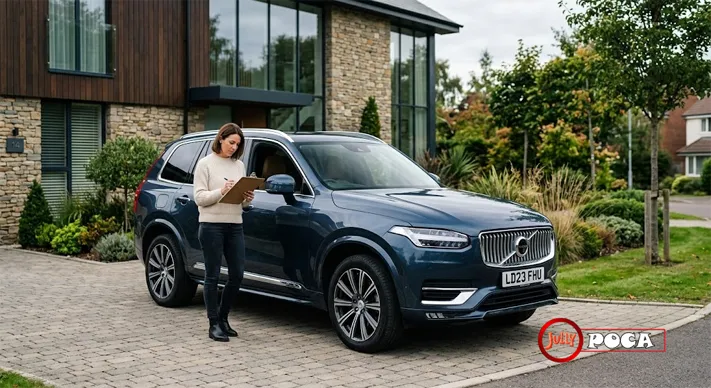
If you’re researching used Volvo XC90 years to avoid, I would put 2003–2005, 2016, and 2017 at the top of the caution list.
2. Best Year to Buy a Used Volvo XC90
The best year to buy a used Volvo XC90 depends on your budget and your tolerance for technology.
If you want simpler mechanicals, look at later first-generation models. If you want modern safety tech, look at refined second-generation years.
2009–2014 Volvo XC90
These are among my favorite used XC90 years.
By this point, Volvo had worked through many early problems. The 3.2-liter naturally aspirated inline-six became a dependable choice. The Yamaha-designed 4.4-liter V8 is also respected, though it uses more fuel and costs more to maintain.
Why these years work well:
- Proven engines
- Durable Aisin transmissions
- Fewer complex electronics than newer models
- Strong safety reputation
- Lower purchase prices
For families who want a solid three-row SUV without a screen controlling every function, the 2009–2014 XC90 makes sense. It feels old-school in the best way.
2018–2021 Volvo XC90
If you want the cleaner design and modern driver-assistance features of the second generation, I would start with 2018.
By then, Volvo had addressed many software issues from 2016 and 2017. The Sensus system became more stable. Engine updates helped reduce oil-consumption concerns. These years also offer better interiors, improved safety systems, and plug-in hybrid options.
When comparing T6 vs T5 engine reliability, I usually lean toward the T5 for buyers who value simplicity. The T5 uses a turbocharged four-cylinder. The T6 adds a supercharger, which improves performance but adds complexity.
That does not mean the T6 is unreliable. It means it needs more careful maintenance.
Here’s my simple take:
- Choose T5 if you want fewer mechanical complications.
- Choose T6 if you want stronger acceleration and have service records.
- Choose T8 plug-in hybrid only after a specialist inspection.
3. Common Volvo XC90 Problems and Repair Costs
Every luxury SUV has weak points. The XC90 is no exception.
The key is knowing which repairs are annoying and which are financially painful. Below is a practical summary of common Volvo XC90 problems and repair costs.
| Problem Area | Affected Years | Description & Impact | Average Repair Cost |
|---|---|---|---|
| Transmission failure | 2003–2005 | Slipping, harsh shifting, delayed engagement, or total gearbox failure | 3,500–5,500 |
| Excessive oil consumption | 2016–2017 mostly | Piston ring wear can cause oil burning and possible engine damage | 2,000–4,000 |
| Sensus infotainment/electrical faults | 2016–2017 | Screen freezes, audio loss, climate glitches, warning messages | 400–1,200 |
| AWD angle gear/differential leak | 2006–2010 | Fluid leaks from front differential or angle gear seals | 600–1,300 |
| Suspension wear | Many years | Control arms, bushings, struts, or air suspension components | 500–2,500 |
| Brake wear | Many years | Heavy SUV weight causes faster rotor and pad wear | 400–900 |
I always remind buyers that repair costs vary by location. A Volvo specialist may charge less than a dealership, while still offering excellent expertise.
For third-party estimates, the Volvo XC90 annual maintenance cost data from RepairPal is useful: Volvo XC90 annual maintenance cost. For long-term ownership planning, CarEdge provides a helpful estimate here: 10-year Volvo XC90 maintenance costs.
Volvo XC90 Overall Reliability Rating
The Volvo XC90 overall reliability rating is best described as average to above average among luxury SUVs, depending on the source and year.
It is not as cheap to maintain as a Toyota Highlander. It is usually less intimidating than some older German luxury SUVs. Think of it as a premium vehicle that becomes reliable when maintained like a premium vehicle.
Oil changes, coolant services, transmission fluid, brake fluid, haldex/AWD servicing, and software updates all matter.
Skipping maintenance to save money is usually where XC90 ownership becomes painful.
4. How Many Miles Can a Used Volvo XC90 Last?
So, how many miles can a used Volvo XC90 last?
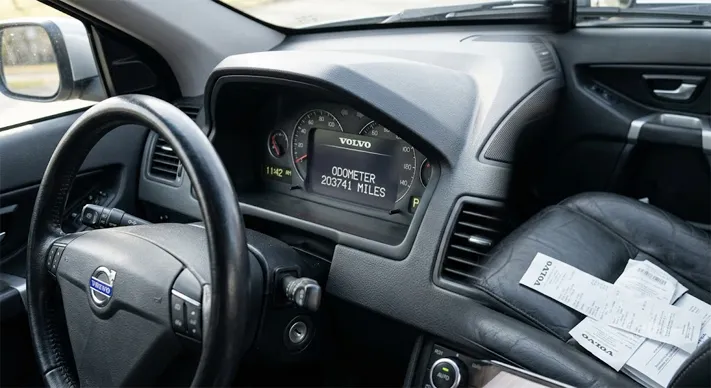
A properly maintained XC90 can last 200,000 to 250,000+ miles. I’ve seen high-mileage examples still drive smoothly because the owners followed service intervals and fixed small issues early.
Mileage alone does not scare me. Neglect does.
A 150,000-mile XC90 with records can be safer than an 80,000-mile one with unknown history.
Look for evidence of:
- Regular oil changes
- Transmission service
- Coolant and brake fluid replacement
- Timing or accessory belt service where applicable
- AWD system maintenance
- Suspension repairs
- Software updates on newer models
The Volvo XC90 expected lifespan and high mileage conversation always comes back to maintenance. These vehicles can go far, but they are not low-effort appliances.
If the engine light is flashing during a test drive, stop the evaluation immediately and review What does it mean when engine light is blinking before moving forward. A blinking check-engine light can signal a misfire that may damage the catalytic converter.
5. Pre-Purchase Inspection Checklist for Used Volvo XC90
Before buying any used Volvo XC90, I strongly recommend a pre-purchase inspection by a Volvo specialist.
A general mechanic can catch many issues, but Volvo-specific knowledge helps. The mechanic should know the difference between early T6 transmission concerns, later Aisin transmission behavior, Drive-E oil consumption signs, and Sensus software problems.
Use this pre-purchase inspection checklist for used Volvo models:
Mechanical Checks
- Cold start behavior
- Oil leaks around engine and turbo components
- Transmission shift quality
- AWD engagement
- Differential or angle gear leaks
- Cooling system condition
- Exhaust smoke
- Brake vibration or noise
Electronic Checks
- Sensus infotainment responsiveness
- Backup camera operation
- Climate control function
- Power seat and tailgate operation
- Driver-assistance warnings
- Battery health
- Software update history
Road Test Checks
During the drive, I listen more than I talk.
A healthy XC90 should shift smoothly, track straight, brake confidently, and feel composed over bumps. Clunks from the front end can mean worn suspension parts. Hesitation under acceleration can point to ignition, fuel, turbo, or transmission problems.
If the car has air suspension, test all ride-height modes. Repairs can be expensive.
Also check the VIN through NHTSA: NHTSA Volvo XC90 recalls and complaints. Recalls do not always mean a vehicle is unreliable, but open recall work should be addressed before purchase.
This is also where safety research matters. If you’re comparing crash protection across vehicles, 7 Powerful Facts About Car Airbags can help you understand why restraint systems and sensor condition are important in used cars.
6. First Generation vs. Second Generation XC90
The first-generation XC90 ran for a long time, from 2003 through 2014 in many markets. The second generation arrived for 2016.
Each has a different personality.
First Generation: Simple, Sturdy, Aging
The first-generation XC90 feels heavier and more traditional. It has fewer digital features and a more mechanical driving experience.
Best choices:
- 2009–2014 3.2L inline-six
- 2007–2010 V8 if well maintained
- Later models with documented service
Avoid or inspect carefully:
- 2003–2005 T6
- Poorly maintained AWD models
- Rust-prone examples in snowy regions
Second Generation: Modern, Safer, More Complex
The second-generation XC90 looks and feels far newer. It offers better fuel economy, more advanced safety tech, and a more luxurious cabin.
But second generation XC90 problems are usually electronic or engine-related rather than old-fashioned mechanical wear.
Best choices:
- 2018–2021 T5
- 2018–2021 T6 with records
- Later T8 plug-in hybrid after battery and charging inspection
Avoid or inspect carefully:
- 2016 launch-year models
- 2017 models with oil-consumption history
- Any model with unresolved infotainment faults
If you’re importing or shopping across European markets, paperwork and emissions rules matter. That’s where Buying a Used Car in Germany becomes especially relevant.
7. Ownership Costs: What to Budget
A used XC90 is not a bargain if you only budget for the purchase price.
I suggest setting aside an annual maintenance reserve. For older models, 1,000to1,500 per year is sensible. For newer second-generation models, especially T6 and T8 versions, 1,500to2,500 is more realistic if you want to stay ahead of repairs.
Typical ownership costs include:
- Oil service: 100–200
- Brake service: 400–900
- Tires: 800–1,400
- Battery: 200–500
- Suspension repair: 500–2,500
- Software/electrical diagnosis: 150–300+
Luxury SUVs often wear tires and brakes faster because they are heavy. The XC90 is no different.
The best ownership strategy is preventive maintenance. Fix a small coolant leak before it overheats. Replace worn suspension before it damages tires. Update software before small glitches become daily frustration.
FAQs About Used Volvo XC90 Reliability
Is a used Volvo XC90 reliable for families?
Yes, a used Volvo XC90 can be reliable for families if you choose the right year and inspect it carefully. I would focus on 2009–2014 or 2018–2021 models with strong maintenance records.
What are the used Volvo XC90 years to avoid?
The main used Volvo XC90 years to avoid are 2003–2005 T6 models, plus 2016 and 2017 second-generation models. These years have higher reports of transmission failure, oil consumption, and electronic issues.
What is the best year to buy a used Volvo XC90?
The best year to buy a used Volvo XC90 is often 2013 or 2014 for first-generation shoppers, and 2018–2021 for second-generation buyers. These years balance refinement, reliability, and value.
How many miles can a used Volvo XC90 last?
A well-maintained used Volvo XC90 can last 200,000 to 250,000+ miles. Service history matters more than mileage alone.
Are Volvo XC90 repair costs expensive?
Yes, compared with mainstream SUVs. Common Volvo XC90 problems and repair costs can range from a few hundred dollars for electrical fixes to over $5,000 for major transmission work.
Is the Volvo XC90 safer than other used SUVs?
Volvo has a strong safety reputation, and the XC90 has historically performed well in crash-safety discussions. Still, always check the specific year, recall status, tire condition, airbags, and driver-assistance systems.
Conclusion: Should You Buy a Used Volvo XC90?
So, is a used Volvo XC90 reliable? Yes, if you buy selectively.
I would avoid the 2003–2005 T6 unless it has documented transmission replacement and excellent records. I would also be cautious with 2016 and 2017 models because of early second-generation software and oil-consumption concerns.
The strongest picks are 2009–2014 if you want proven mechanical simplicity, and 2018–2021 if you want modern safety, comfort, and technology.
My final advice is simple: do not buy the cheapest XC90 you find. Buy the best-maintained one you can afford. Get a Volvo-specialist inspection, verify recall work, check service history, and budget realistically.
A well-chosen used XC90 can be safe, comfortable, elegant, and long-lasting. That is exactly why it remains one of the most appealing used luxury SUVs for families.
For broader ownership research, pair this guide with Buying a Used Car in Germany, Hyundai Santa Fe vs. Palisade, and 7 Powerful Facts About Car Airbags before making your final decision.
References
- Volvo XC90 annual maintenance cost
- 10-year Volvo XC90 maintenance costs
- NHTSA Volvo XC90 recalls and complaints

Job Title: Founder, Chief Editor & Senior Technical SEO Specialist
Institutional Affiliation: Jullypoco Digital Properties
Specialties: Technical Search Engine Optimization | Content Strategy & Publishing | Web Architecture
Muhammad Ali is a seasoned digital content strategist, technical SEO professional, and the founder of Jullypoco. With deep expertise in website management, domain optimization, and search architecture, he orchestrates high-impact editorial frameworks designed to connect global audiences with reliable, high-value information. His commitment to search integrity and evidence-based optimization ensures the highest standards of data accuracy and site performance.
Verify Credentials & Connect:
🌐 Official Jullypoco Author Hub |
💼 LinkedIn Professional Profile |
👥 Facebook Profile
1 Comment
Pingback: Hyundai Santa Fe vs Palisade: Which SUV Is Best?